Twelve countries, one data language: ICGLR adopts the Mining & Minerals Data Sharing Standard developed with Arxia
By Carlos Parker · Head of International Business
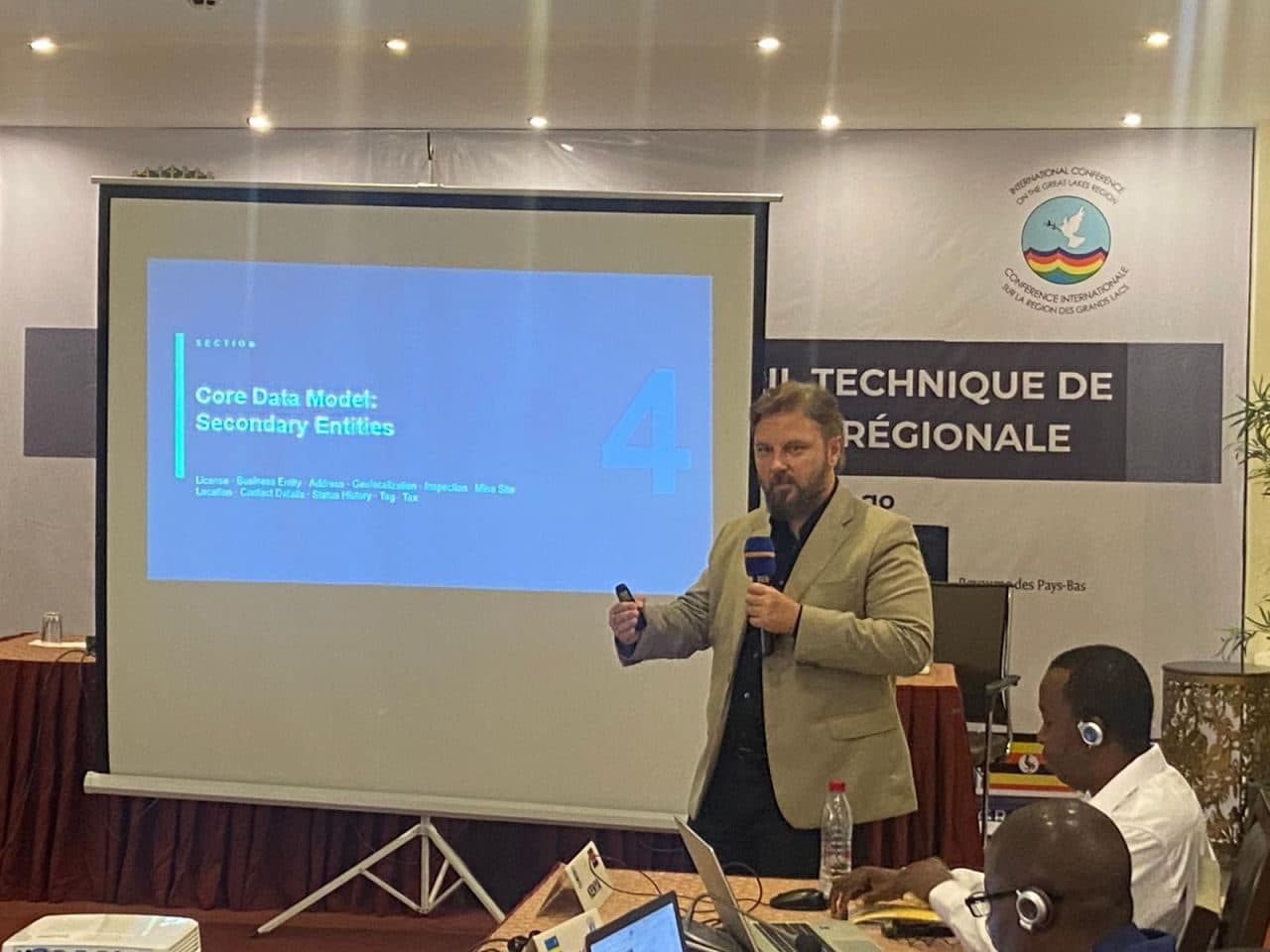
Across the Great Lakes region, twelve countries were recording the same things in twelve different ways. A mine, a licence, a shipment: each state had its own definition. Records did not survive crossing a border, and regional reporting meant reconciling spreadsheets that were never designed to fit together.
From 8 to 10 April in Brazzaville, that changed.
A standard adopted by twelve member states
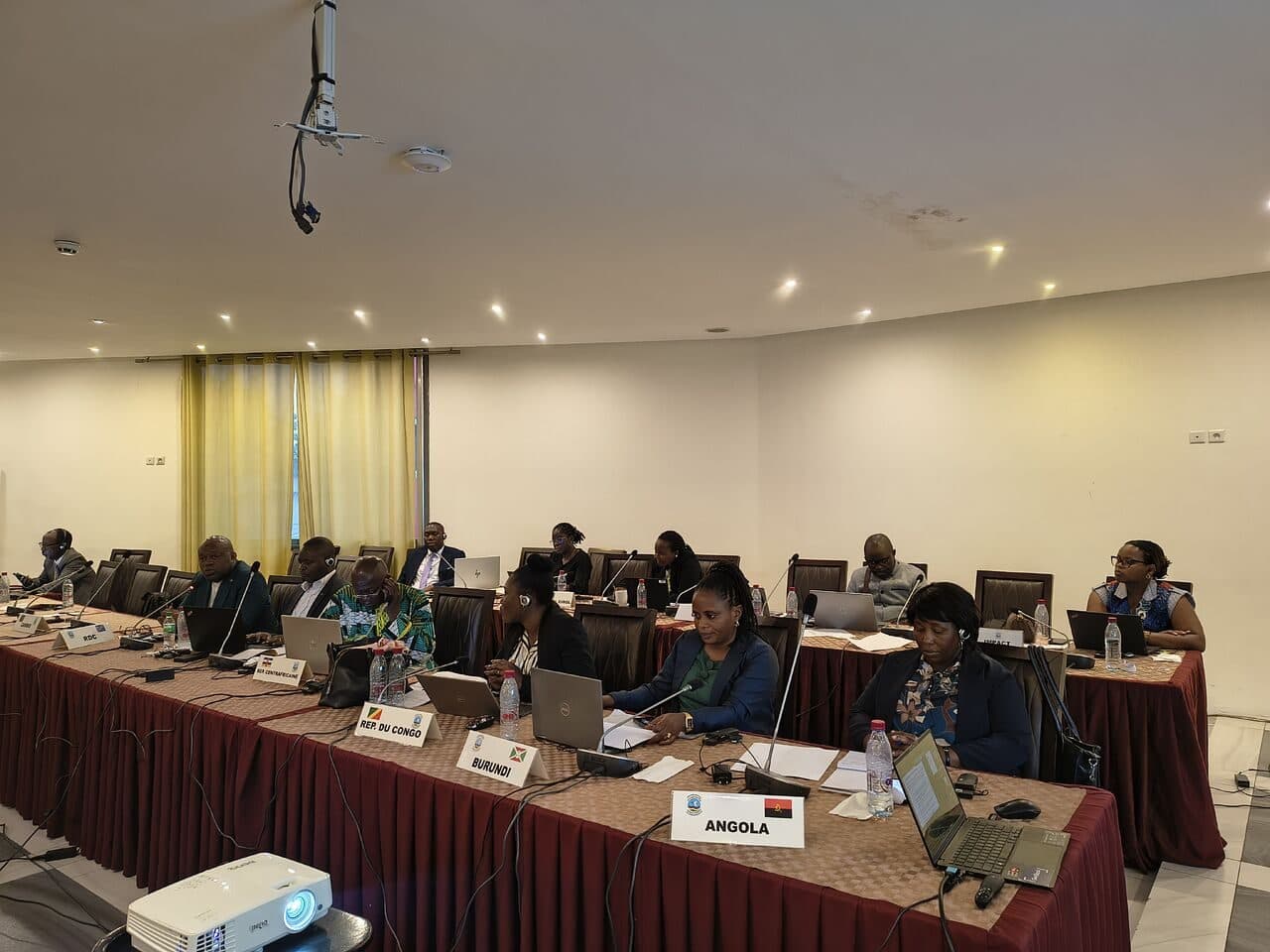
Representatives of the 12 member states of the International Conference on the Great Lakes Region (ICGLR) debated and adopted the Mining & Minerals Data Sharing Standard. From now on, it will support traceability and auditing of mining data across a region stretching from Central to East Africa.
Almost two years of work
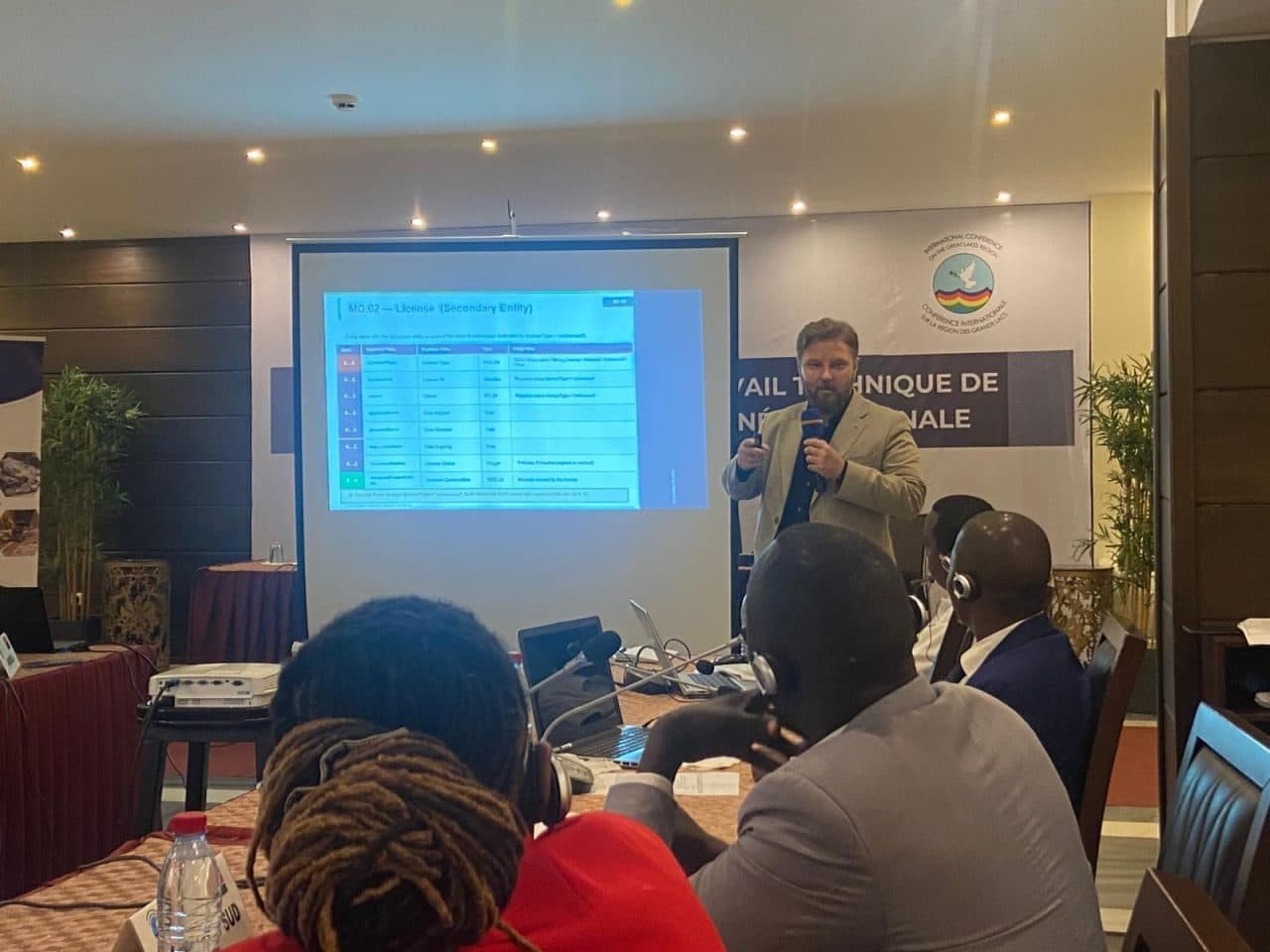
The adoption closes almost two years of Arxia's engagement with the ICGLR on the regional Data Sharing Policy and the Data Sharing Standard. Together they cover the collection, validation, reporting and updating of mining and minerals data at national and regional level: mine sites, licences, the full chain of custody, related operations and export tracing. Everything is expressed in semantic models with complete technical specifications for implementation.
Arxia started from the data standard, not the software. The common model is published in JSON Schema, OpenAPI and JSON-LD, and on top of it sit offline mobile data capture in each country, an API-based interoperability layer, a regional reporting platform and immutable lifecycle records. When the standard evolves, the platform follows without being reprogrammed.
What it means in practice
A buyer, an auditor or a regulator can now trace a shipment from the mine to the certificate and verify it independently. For the region, this is a real step towards ending illegal and exploitative mining, and a clear example of how digital public infrastructure improves lives.
Beyond mining
The same problem exists in climate, agriculture, customs and public health, and it has the same answer: a neutral, shared data layer. Arxia sees the ICGLR standard as a signal for countries everywhere to establish full traceability of mining and minerals data, building on what the Great Lakes region has just achieved, and is ready to support that work.
Explore Arxia's work in interoperability →